
Thus under the rare disease assumption. If the current absolute PE ratio is 25 the relative PE comparing the current PE to the highest value.
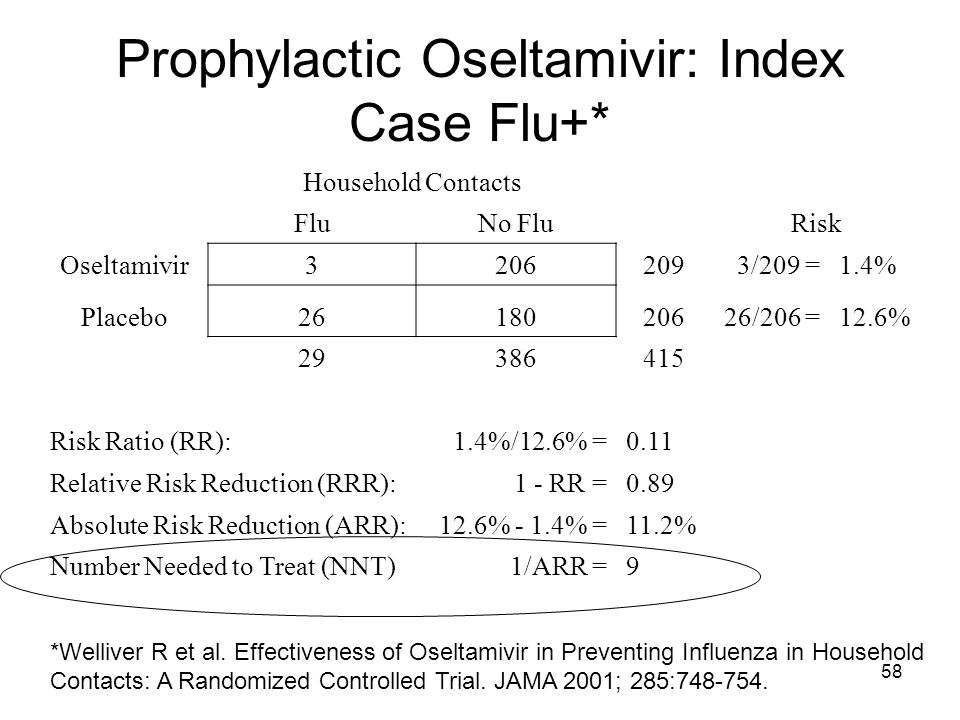
1 Absolute Risk Reduction Number Needed To Treat Back Of The Envelope Cost Effectiveness Analysis Treatment Thresholds Revisited 1 November 2012 Michael Ppt Download
Relative Risk Article
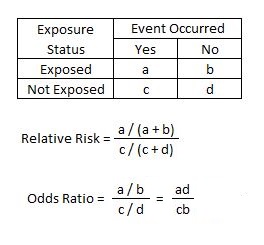
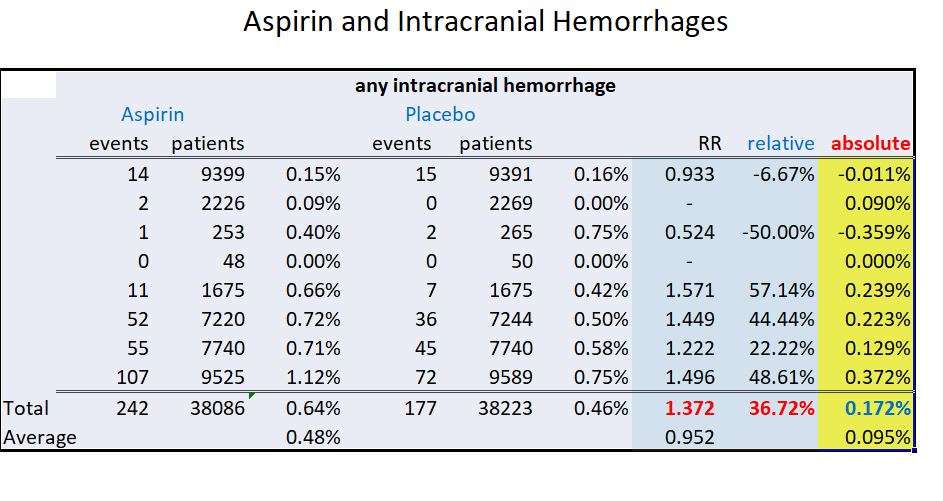
Relative Risk Vs Absolute Risk Reporting
The absolute risk analysis helps to figure out how many lives will be saved.
Absolute risk ratio. This shows that the drug increased the risk of blindness. The Sharpe ratio is an analysis ratio that compares an investments returns to its risk. Absolute risk reduction is the number of percentage points your own risk goes down if you do something protective such as stop drinking alcohol.
The ratio is the average return earned in excess of the risk-free rate per unit of volatility or total risk. Suppose a companys PEs over the last 10 years have ranged between 15 and 40. The relative risk is the ratio of the risk in the exposed group to the risk in the unexposed group as is summarized in Box 1.
The terminology used can vary so dont be put off if the terms risk factor and. The diagnostic value of absolute neutrophil count band count and morphologic changes of neutrophils in predicting bacterial infections. An ANC of 05 x 10 3 uL was associated with a relative odds ratio of 48.
If 100 people do not take the medicine then 4 in those 100 people will get the disease. If the absolute risk of developing the disease was 4 in 100 then this 25 reduction in relative risk would reduce the absolute risk to 3 in 100. In the world of press releases Relative Risk is the younger more attractive cousin of Absolute Risk.
Doctors sometimes use the term hazard ratio to talk about risk. In practice the odds ratio is commonly used for case. The risk difference RD excess risk or attributable risk is the difference between the risk of an outcome in the exposed group and the unexposed group.
Albumincreatinine ratio 25 mgmmol for males 5 mg mmol for females Moderate or severe chronic kidney disease. Volatility is a measure of the price fluctuations of an asset or portfolio. Risk group No.
The absolute risk of disease is 0001. Absolute CVD risk in the context of these guidelines refers to the likelihood of a person experiencing a cardiovascular event within the next five years. Dont aim for the absolute highslows for your target because the market may not reach those levels and then reverse.
The inverse of the absolute risk reduction 1ARR is the number needed to vaccinate NNV. Absolute CVD risk assessment is an integrated approach that brings together the cumulative risk of multiple cardiovascular risk factors to estimate the combined risk of experiencing a heart attack or stroke in the next five years. Simply put Absolute Risk is less sexy than Relative Risk.
If Absolute Risk is the Jan Brady of the research world Relative Risk is its Marcia. With reference to the data in Table 1 the absolute risks of sexual dysfunction with venlafaxine. CI u provides an estimate of the baseline risk ie in the absence of the exposure and the exposure factor imposes an additional excess risk on top of that.
Another measure that is used is the odds ratio. Patients Relative risk 95 CI Absolute risk of progression at 20 years Absolute risk of progression at 20 years accounting for death as a competing risk Addition of FLC ratio to known prognostic categories Low risk serum M protein 15 gL and IgG subtype Normal FLC ratio. The relative risk RR and the odds ratio OR are the two most widely used measures of association in epidemiology.
It is almost invariably expressed as a ratio to denominator 1 rather than as a percentage. Similarly if CE is much smaller than CN then CECN CE CECN. The relative risk is different from the odds ratio although the odds ratio asymptotically approaches the relative risk for small probabilities of outcomesIf IE is substantially smaller than IN then IEIE IN IEIN.
They failed to notice that what they had was already a percentage and converted it a second time. A relative risk RR hazard ratio HR odds ratio OR or a percentage change. For example a report may state The relative risk of blindness in people given drug T was 15.
Absolute risk differences can be very small and even an extremely effective treatment or other important exposure may not lead to a substantial absolute risk difference. When the RR is exactly 1 the risk is unchanged. The size of your absolute risk reduction depends on what your risk is to begin with.
Al-Gwaiz LA Babay HH. The risk ratio was 42 but we can also compute the absolute difference which is 53100 - 13100 4 per 100 excess wound infections among those who had the incidental appendectomy. It is computed as where is the incidence in the exposed group and is the incidence in the unexposed group.
If the RR 1 and the CI does not include 1 events are significantly more likely in the treatment than the control group. However this can be looked at another way. While the absolute risk reduction is 000001-0001-000099 or 0099.
The risk reward ratio is a meaningless metric on its own. Calculating the Sharpe ratio involves subtracting the risk-free rate of return from the expected rate of return then dividing that result by the standard deviation otherwise known as the assets volatility. So be more conservative with your target profits and exit a few pips earlier.
It doesnt make for good press headlines. If the RR the relative risk or the OR the odds ratio 1 or the CI the confidence interval 1 then there is no significant difference between treatment and control groups. For practical purposes assume that the odds ratio is the same as the relative risk.
RealRisk works with any study which investigates the link between a risk factor or intervention and an outcome of interest which also reports one of the following. The direct computation of relative risks is feasible if meaningful prevalences. If the risk of an outcome is increased by the exposure the term absolute risk increase ARI is used and computed as.
This is how many people that you need to vaccinate to prevent one case of Covid-19 or one severe case or one death depending on the studys endpoints. The RR is estimated as the absolute risk with the risk variable divided by the absolute risk in the control group. A hazard ratio considers your.
Cardiovascular disease CVD is largely preventable with modifiable CVD risk factors accounting for up to 90 of the risk of myocardial infarction 1. The study can be observational or experimental in design. As an extreme example of the difference between risk ratio and odds ratio if action A carries a risk of a negative outcome of 999 while action B has a risk of 990 the relative risk is approximately 1 while the odds associated with action A are more than 10 times higher than the odds in doing B 1 01 x 10 odds ratio calculation relative risk calculation.
The relationship between two groups or amounts that expresses how much bigger one is than the. What they should have said was. Percent and number of districts with a risk ratio that exceeds two median absolute deviations MADs above the national median with a minimum cell size of 10 for three years 201112 201213 and 201314 by state and.
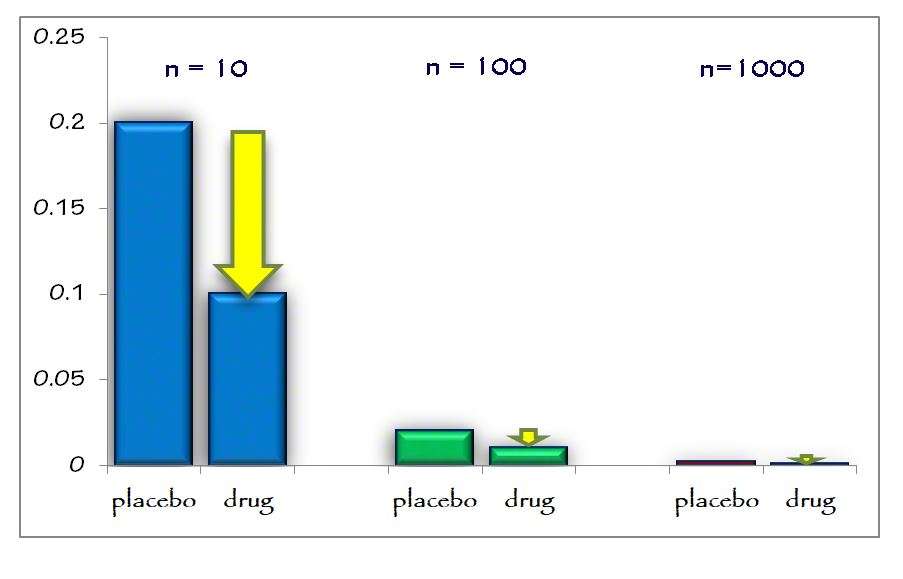
Relative Risk Vs Absolute Risk Reporting
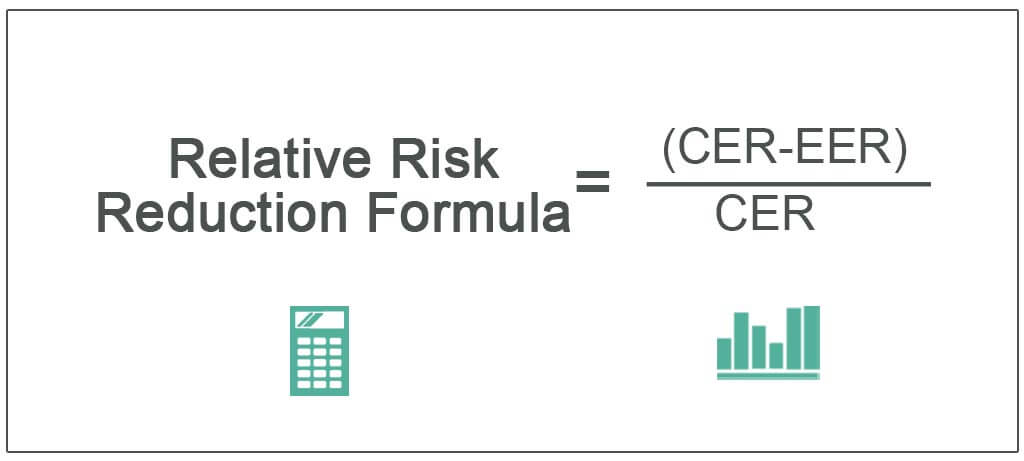
Relative Risk Reduction Formula Calculate Rrr With Examples

Development And Validation Of A Model To Predict Absolute Vascular Risk Reduction By Moderate Intensity Statin Therapy In Individual Patients With Type 2 Diabetes Mellitus Circulation Cardiovascular Quality And Outcomes

Figure 1 Ldl C Targets In Secondary Prevention How Low Should We Go Springerlink

Absolute Risk Vs Relative Risk What S The Difference Eufic
Arr Definition Absolute Risk Reduction Abbreviation Finder

How To Calculate Relative Risk Reduction Youtube

Estimating The Lifetime Benefits Of Treatments For Heart Failure Sciencedirect


